







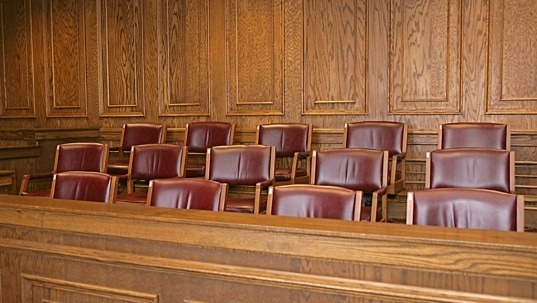
A jury can turn a courtroom from calm to chaos in one afternoon. You can watch two lawyers argue the same facts, cite the same rules, and tell wildly different stories—then twelve people walk into a room and decide which version feels true. That is why jury verdict patterns matter so much. They do not hand you a magic answer, but they do show where jurors lean, what they punish, and what they forgive.
If you study verdicts long enough, you stop treating jury trials like pure drama. You start seeing habits. Civil juries often react to credibility gaps, money stories, and visible harm. Criminal juries pay closer attention to pressure points like intent, witness trust, and whether the prosecution’s case feels tight or patched together. The law sets the frame, yes, but human judgment fills it in.
That is where many lawyers get sloppy. They obsess over doctrine and ignore how ordinary people process blame, fear, and fairness. Big mistake. Jurors do not leave their instincts at the courthouse door. They bring them in, and those instincts shape real case outcome trends in both civil and criminal trials.
Jurors follow the story before they follow the paperwork
A trial may run on evidence, but a verdict often runs on story logic. Jurors want a version of events that feels complete, believable, and emotionally honest. When the facts line up but the story limps, doubt creeps in. When the story lands cleanly, even a dense record starts to make sense.
Civil cases show this all the time. A plaintiff can stack medical bills, expert reports, and lost wage figures on the table, yet still lose if the defense tells a cleaner story about exaggeration or shared fault. The numbers matter. The narrative frame matters more because it tells jurors where those numbers belong.
Criminal cases work the same way, though the stakes hit harder. A prosecutor may present phone records, surveillance clips, and witness accounts, but a single missing link can make the whole chain feel shaky. Jurors do not need every question answered. They do need the core sequence to feel solid.
I have seen one ordinary fact decide the room: the unanswered text, the odd timeline gap, the witness who suddenly sounds rehearsed. Small cracks grow fast in deliberations. That is why strong trial teams do not dump facts on jurors and hope for gratitude. They build a story that can survive argument, memory, and suspicion.
Credibility beats volume, and jurors notice the fake stuff fast
You can bury a jury in exhibits and still lose. People trust people before they trust binders. That sounds simple, but lawyers ignore it every day. Jurors watch how a witness answers, how a lawyer reacts to pressure, and whether someone seems to be hiding behind polished language.
In civil trials, credibility often turns on consistency. A plaintiff who sounds plain, steady, and honest can recover even when the damages fight gets messy. A defendant who looks evasive on a tiny point can poison the whole defense. One wobble becomes a theme. Jurors love themes because they make hard decisions easier.
Criminal trials sharpen this instinct. If the state’s key witness changes details, jurors start asking whether the rest changed too. If a defendant testifies with calm specificity, that can unsettle an otherwise strong prosecution case. Not always. But often enough to matter.
A real-world example sits in many wrongful conviction reviews: testimony once treated as solid later falls apart under better scrutiny. Juries are not foolish, but they are human. When they feel pushed toward belief instead of led there honestly, resistance sets in.
This is one of the clearest jury verdict patterns in any courtroom. Jurors forgive imperfect memories more easily than polished deception. They can handle rough edges. What they hate is performance dressed up as truth.
Damages and punishment rise when conduct feels personal
Money verdicts are not just math. They are moral signals. In civil court, jurors rarely separate harm from behavior as neatly as legal theory suggests. They may hear instructions about compensation, but they still react to arrogance, indifference, and needless risk.
Take a trucking case with a clear crash and soft-tissue injuries. The damages picture may stay modest if the company looks careful and the driver seems shaken but responsible. Change one fact—say, ignored maintenance logs or a manager who brushed off safety warnings—and the tone shifts. Suddenly the jury is not just pricing injury. It is judging conduct.
Criminal juries do something similar with punishment-minded reasoning during the verdict phase, even when sentencing comes later. They weigh whether the accused acted out of panic, greed, rage, or cold planning. Intent is not just a legal box. It is a moral lens.
That explains why white-collar cases can produce strong reactions even without visible violence. Jurors often punish betrayal hard. A fraud victim may not bleed, but a broken trust lands deep because many jurors imagine themselves in that seat. The emotional math changes.
This is where case outcome trends get interesting. Visible injury still matters, but disrespect often drives verdict energy. People can accept accidents. They struggle to excuse choices that look selfish, smug, or repeated after warning signs. Once jurors decide someone knew better and did it anyway, mercy starts packing its bags.
Civil and criminal juries weigh doubt in very different ways
The same jury box holds two very different jobs. In civil court, jurors ask which side proved more. In criminal court, they ask whether doubt still stands. That shift sounds technical on paper. In real life, it changes everything.
Civil verdicts often turn on comparative judgment. Jurors may think both sides messed up, then sort blame by degree. That is why mixed verdicts happen so often in negligence, contract, and employment cases. The room does not need certainty. It needs a convincing balance.
Criminal verdicts demand a tougher climb. Jurors can dislike a defendant, suspect bad behavior, and still refuse to convict if the proof feels incomplete. Good defense lawyers know this and keep returning to the same point: suspicion is not proof. When that point sticks, the prosecution’s case can lose force quickly.
A murder trial and a personal injury trial may involve witnesses, experts, and conflicting timelines, yet jurors carry a different mental weight into each room. In a civil case, uncertainty may shrink damages. In a criminal case, uncertainty can stop conviction outright.
That difference creates a pattern smart trial watchers never ignore: prosecutors must close gaps, while civil plaintiffs can sometimes survive them. The burden does not just shape law. It shapes mood, patience, and debate during deliberations.
So when you compare verdicts across case types, do not treat them as cousins with different outfits. They are different species. Read them that way, and the results start making sense.
Modern jurors bring outside instincts, even when rules tell them not to
Jurors do not arrive empty-headed. They come in shaped by news clips, true-crime habits, workplace politics, family history, and a deep suspicion of spin. The court tells them to focus only on admitted evidence, and they try. Still, modern life leaves fingerprints on deliberation.
You can see it in how jurors react to digital proof. Texts, search history, location data, and body-cam footage carry a special punch because they feel less rehearsed than live testimony. That faith is not always deserved, but it is real. A shaky witness can survive if digital evidence backs the timeline. Without that support, the witness may sink.
Civil juries also think more about institutions than they once did. A hospital, employer, insurer, or police department enters the room with a reputation already attached. Fair or unfair, that background affects how jurors hear the first few days of evidence. First impressions still earn overtime pay.
Here is the counterintuitive part: more information does not always help. Overloaded jurors get tired, and tired jurors grab the clearest theme available. The side that explains better often beats the side that simply offers more.
That is the lesson many trial teams learn too late. Jurors are not legal machines. They are readers of motive, tone, and common sense. The smartest lawyers respect that reality instead of pretending it is rude to mention it.
Conclusion
The biggest mistake you can make with verdict data is treating it like a scoreboard instead of a map. Wins and losses tell you what happened. Patterns tell you why. And in a trial world shaped by memory gaps, moral judgment, and human instinct, that difference is everything. The strongest lawyers do not just cite past outcomes. They study how jurors reacted to credibility, story shape, conduct, and doubt, then build from there.
That is why jury verdict patterns deserve more than a glance in a research memo. They should shape voir dire choices, witness prep, opening themes, and the order in which facts reach the jury. A weak story with strong law still limps. A strong story backed by clean proof can move a room fast.
If you handle civil or criminal trials, stop reading verdicts like a historian and start reading them like a strategist. Mark what sparked trust. Notice what triggered anger. Track what created hesitation. Then put that knowledge to work before your next jury ever takes a seat. Your next smart move is simple: build a verdict notebook and start spotting the patterns other lawyers miss.
What are the most common jury verdict patterns in civil cases?
Civil juries usually reward clear harm, believable witnesses, and a simple chain between conduct and damage. They also punish indifference. When a defendant looks careless and a plaintiff sounds grounded, verdicts often swing toward compensation with little hesitation at all.
What are the most common jury verdict patterns in criminal cases?
Criminal juries focus hard on doubt, intent, and witness trust. They do not need a perfect defendant to acquit. They need a case that feels incomplete. When timelines wobble or motives blur, hesitation grows fast inside the deliberation room.
Why do juries care so much about witness credibility?
Jurors use credibility as a shortcut for truth because trials throw too much information at them. A witness who sounds steady, specific, and unforced gives the whole case support. One evasive answer can damage far more than lawyers usually expect there.
How do jury verdicts differ between civil and criminal trials?
Civil juries compare which side proved more believable facts. Criminal juries ask whether doubt still survives. That difference changes everything. A civil plaintiff can win with some uncertainty, but a prosecutor usually cannot unless the proof feels tightly connected.
Do juries usually award more money when conduct seems reckless?
Yes, they often do. Jurors react strongly when someone ignores warnings, hides facts, or treats safety like an inconvenience. The injury matters, but behavior shapes the emotional force behind damages. People forgive mistakes more easily than cold, repeated disregard.
Can a strong story really matter more than technical evidence?
Yes, because jurors need a structure that helps them place each fact. Evidence without story feels scattered. A strong narrative does not replace proof, but it makes proof usable. Trials get won when facts and story lock together without strain.
How does digital evidence affect modern jury verdicts?
Digital evidence feels immediate and less polished, so jurors often give it extra weight. Text messages, GPS records, and video clips can anchor a timeline fast. Still, context matters. Clean-looking data can mislead when lawyers fail to explain gaps.
Why do some strong legal cases still lose before a jury?
Some legally sound cases lose because the human presentation falls apart. Jurors may dislike a witness, distrust a motive, or reject a lawyer’s tone. Courtroom success needs more than rules. It needs proof that sounds honest under real pressure too.
Do jurors punish arrogance from parties or lawyers?
Yes, more than many professionals admit. Jurors notice condescension, deflection, and fake certainty almost instantly. They may not say it in open court, but it shows up in deliberations. Respectful, plain communication usually beats polished superiority every time.
What should lawyers study when reviewing past jury verdicts?
Lawyers should track credibility problems, story shape, damage triggers, and burden-of-proof issues. The result alone means little. What matters is what moved jurors emotionally and logically. That is where trial strategy improves instead of just sounding smarter later.
Are jury verdict patterns useful for settlement decisions?
Yes, because patterns expose risk before a courtroom forces the issue. They help lawyers judge how ordinary people may read blame, injury, and doubt. Good settlement calls come from seeing likely juror reactions early, not pretending emotion never enters.
How can trial teams use jury verdict patterns more effectively?
Start building a verdict notebook by issue, witness type, and juror reaction. Then compare cases for recurring pressure points. When you spot what repeatedly creates trust or resistance, your openings, prep sessions, and settlement calls get sharper very quickly.